Autumn Pruning of Flowering Shrubs
Autumn brings a distinctive set of tasks to the garden, and among them, pruning flowering shrubs requires careful consideration. While spring often takes the spotlight for plant care, fall presents its own opportunities and limitations. The decision to prune in autumn should be based on the plant’s flowering habits, overall health, and the regional climate. This article explores the factors that influence successful autumn pruning, offering a process-oriented view for gardeners seeking to support next year’s blooms.
Understanding the relationship between pruning timing and plant biology is essential. Flowering shrubs have different bloom cycles: some set their buds on old wood, while others bloom on new growth. The timing of pruning directly influences the availability of flower buds. For shrubs that bloom on old wood, pruning in autumn can remove the buds that would have opened in the spring. Conversely, shrubs that bloom on new wood may benefit from a late-season trim, as it can encourage fresh growth for the following year. Therefore, a thoughtful approach begins with identifying the specific shrub and its flowering characteristics.
Identifying Shrubs Suited for Autumn Pruning
Not every flowering shrub should be pruned in autumn. The key is to distinguish between those that bloom on old wood and those that bloom on new wood. Shrubs that flower on old wood, such as lilacs, azaleas, and rhododendrons, form their buds in the late summer and early fall. Pruning them in autumn will remove these developing buds, resulting in reduced or no blooms the following spring. In contrast, shrubs that bloom on new wood, like butterfly bush, spirea, and certain hydrangeas, produce buds in the spring on the current season’s growth. These can be pruned in late winter or early spring, but autumn pruning is sometimes done to tidy the plant or reduce wind damage. However, it is crucial to understand that autumn pruning of new-wood bloomers might still affect the plant’s overall vigor, as it removes growth before the plant enters dormancy.
For a balanced approach, consider the plant’s health and the local climate. In regions with mild winters, autumn pruning might be less stressful, while in colder areas, pruning can stimulate new growth that may be frost-tender. It is also important to consider the purpose of pruning: are you aiming to shape the plant, remove dead wood, or improve air circulation? For most flowering shrubs, a light cleanup in autumn is safer than a heavy prune. Dead, diseased, or damaged branches can be removed at any time, as they do not contribute to the plant’s health or blooming potential. This selective removal is a low-risk practice that can be performed in autumn without compromising future blooms.
Techniques for Clean Cutting
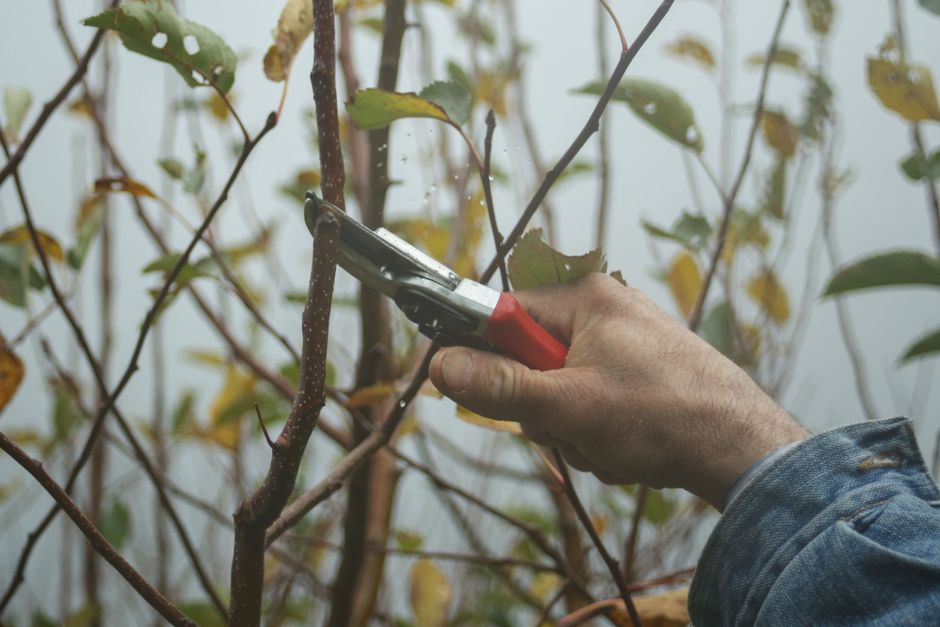
Making proper cuts is fundamental to successful pruning. The goal is to make clean cuts that minimize damage and promote healing. For small branches, use sharp bypass pruners that make a clean slice. For larger branches, a pruning saw may be necessary. Always ensure your tools are clean and sharp to prevent tearing the bark and introducing disease. When cutting, locate the branch collar—the swollen area where the branch meets the trunk or larger limb. Cut just outside the collar, at a slight angle, to facilitate healing. Avoid leaving stubs, as they can become entry points for pests and diseases.
The technique also varies with the type of cut. For thinning cuts, remove entire branches back to their point of origin. This opens up the canopy and improves light penetration. For heading cuts, shorten a stem to a bud that is facing in the desired direction. Heading cuts encourage branching and can help shape the plant. In autumn, heading cuts should be used sparingly, as they stimulate new growth that may not harden before frost. A general rule is to remove no more than one-third of the plant’s growth in any single pruning session. This rule helps maintain plant health and reduces stress.
After pruning, it is advisable to clean your tools with a disinfectant, especially if you have been cutting diseased wood. This prevents the spread of pathogens. Also, consider applying a layer of mulch around the base of the shrub to insulate the roots during winter. For some shrubs, you might also want to apply a dormant oil spray, but this should be done on a dry, mild day.
Timing and Climate Considerations
The timing within autumn is as important as the season itself. Pruning too early, when the plant is still actively growing, can encourage new shoots that will be killed by frost. Pruning too late, after the ground freezes, can interfere with the plant’s ability to heal. The ideal window is after the first couple of frosts, when the plant has entered dormancy, but before the soil freezes hard. This period often occurs in late fall, but the exact timing depends on your local climate. Monitoring weather patterns and observing plant cues, such as leaf drop, can guide your decision.
In regions with harsh winters, it is often safer to postpone hard pruning until late winter or early spring. Autumn in these areas is best reserved for light cleanup and removal of dead wood. In milder climates, more extensive pruning might be acceptable, but it is still wise to avoid heavy cuts that could stimulate untimely growth. Additionally, consider the plant’s species-specific needs. Some shrubs, like hydrangeas, have specific pruning requirements based on where they bloom (old or new wood). For example, hydrangea macrophylla blooms on old wood, while hydrangea paniculata blooms on new wood. Knowing your hydrangea type is essential to avoid removing next year’s flowers.
A recommended approach is to keep a journal of your plants’ bloom times and pruning activities. This record can help you understand how each shrub responds to autumn pruning. Over time, you can refine your practices based on observed results. While this method is time-consuming, it provides valuable insights that guide future care.
An educated approach to pruning respects the natural growth rhythm of each shrub, nurturing a landscape that thrives season after season.
Common Mistakes and How to Avoid Them
One of the most common mistakes is pruning without identifying the plant’s bloom time. This oversight can lead to disappointingly few flowers the following spring. Another error is making too many cuts, which weakens the plant and reduces its vitality. Over-pruning in autumn can also leave the shrub vulnerable to cold injury. To avoid these issues, always research your specific shrub or consult a local extension service. They can provide guidance on the best pruning times for your area and plant types.
Another frequent mistake is using dull or dirty tools, which can crush stems and introduce infections. Clean, sharp tools make clean cuts that heal faster. In addition, ignore the weather: pruning on a rainy day can increase the risk of disease, while pruning during a dry, windy day can cause the cuts to dry out. Choose a mild, dry day for pruning to minimize stress on the plant.
It is also important not to prune at the wrong angle or in the wrong place. Cutting too close to the trunk can damage the branch collar, while cutting too far leaves a stub that may die back. The correct cut should be just outside the collar, with the angle sloping away from the bud. For precise cuts, consider using a tool like a pruning saw for larger branches, and always support the branch to prevent tearing.
Remember that autumn pruning is not a one-size-fits-all practice. Each shrub has its own rhythm. By understanding the plant’s biological needs and respecting the local climate, you can make informed decisions that support the health and blooming potential of your flowering shrubs. As you gain experience, you will develop a sense of when your garden benefits from autumn pruning and when it is better to wait.