A Watering Schedule for Drought-Prone Summers
In regions where summer droughts are becoming more frequent and intense, managing water use in the garden becomes both an environmental necessity and a practical challenge. Plants rely on consistent moisture for essential physiological processes, yet conventional watering habits often lead to runoff, evaporation, and wasted resources. Developing a watering schedule that balances plant health with water conservation requires an understanding of soil behavior, plant needs, and the techniques that reduce water loss.
This guide explores a systematic approach to watering during drought-prone summers. It focuses on methods such as deep watering, the strategic use of mulch, and regular soil moisture assessment. These practices are grounded in horticultural principles that prioritize root development and efficient water use, allowing gardeners to maintain resilient plants even under restricted water availability. The information presented is intended to inform decision-making, not to provide absolute directives, as local conditions and plant varieties always influence outcomes.
Understanding Plant Water Needs
Plants absorb water primarily through their root systems, and the availability of moisture in the soil directly affects their ability to transport nutrients and maintain cellular turgor. During periods of drought, the soil dries out faster, and plants may show signs of stress such as wilting, leaf curling, or discoloration. However, different plants have varying tolerances to dry conditions. Drought-tolerant species, for instance, have adaptations like deep root systems or waxy leaves that reduce water loss.
To create an effective watering schedule, it is useful to categorize plants based on their water requirements. Annuals and vegetables often need more frequent watering because their shallow roots cannot reach deep soil moisture. Perennials and native plants may be more resilient once established, but they still require consistent moisture during their first few years. Grouping plants with similar water needs together can simplify irrigation management and prevent overwatering or underwatering.
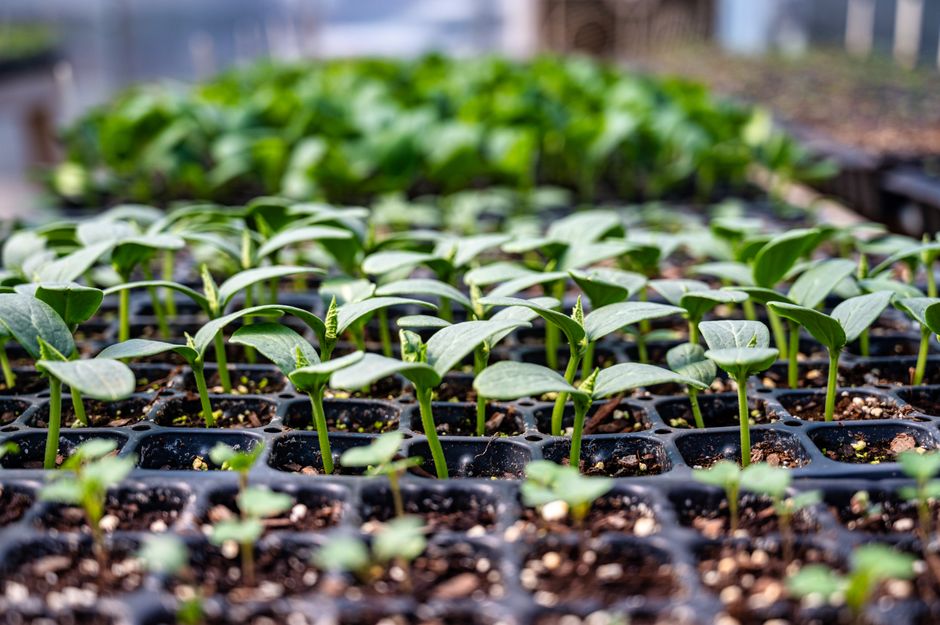
Another key factor is the stage of plant growth. During germination and early establishment, consistent moisture is critical. As plants mature, they become more efficient at finding water, but they still benefit from a steady supply to support flowering and fruiting. Understanding these fluctuations helps in adjusting the watering frequency throughout the season.
Deep Watering: Encouraging Deeper Roots
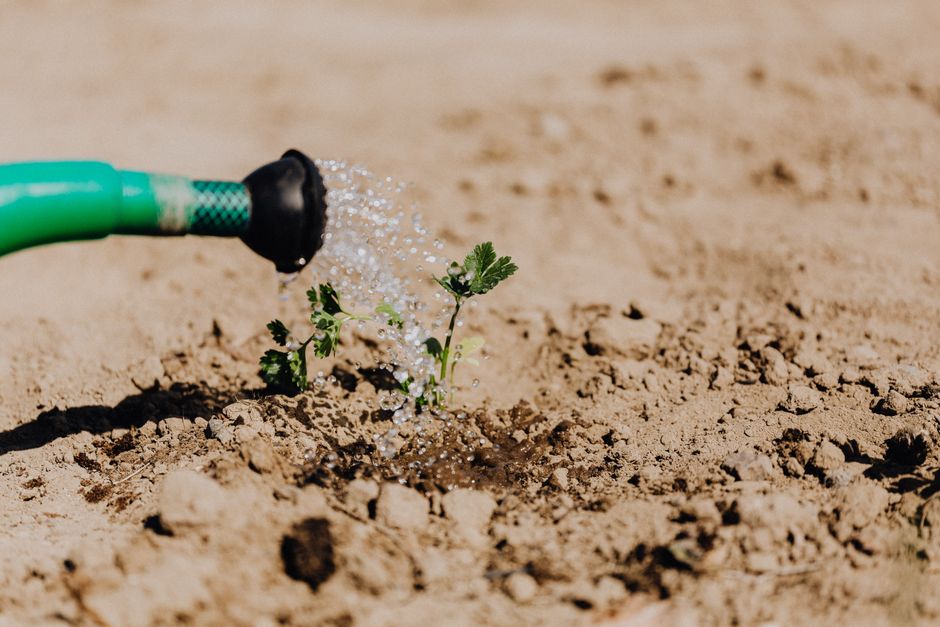
One of the most effective methods for conserving water while ensuring plant health is deep watering. This technique involves applying water slowly and deeply so that it penetrates the soil to a depth of at least 6 to 8 inches. By doing so, the water reaches the deeper root zones, encouraging roots to grow downward. This results in plants that have a larger root volume, which makes them more resilient to drought because they can access moisture stored in the lower soil layers.
Deep watering is best accomplished using soaker hoses or drip irrigation systems, which deliver water directly to the soil surface at a slow rate. This minimizes runoff and evaporation. Alternatively, one can create a small basin or berm around the plant to hold water and allow it to infiltrate gradually. The key is to avoid frequent shallow waterings, as they lead to surface rooting, making plants more susceptible to water stress when the topsoil dries out.
How often should deep watering be performed? This depends on soil texture and weather conditions. Sandy soils drain quickly and may require more frequent application, while clay soils hold moisture longer. A general guideline is to water deeply once or twice a week, but this can vary. It is important to check the soil moisture to determine whether irrigation is needed, rather than following a fixed schedule that may not align with current conditions.
The Role of Mulching in Moisture Retention
Mulching is a practice that involves covering the soil surface around plants with a layer of organic or inorganic material. This simple technique offers multiple benefits for water conservation. By acting as a barrier, mulch reduces evaporation from the soil, keeping it cooler and retaining moisture for longer periods. This means that plants can go longer between waterings, saving water and reducing the frequency of irrigation.
Organic mulches, such as wood chips, straw, or shredded leaves, also improve soil structure as they decompose, increasing the soil’s ability to hold water and nutrients. They provide a slow-release source of organic matter that benefits soil biology. Inorganic mulches, like gravel or landscape fabric, are effective at suppressing weeds and reducing evaporation, but they do not improve soil fertility.
When applying mulch, it is important to use an appropriate depth. A layer of 2 to 4 inches is generally recommended. Too thin a layer may not provide adequate coverage, while too thick a layer can prevent water infiltration and air exchange. Mulch should be kept a few inches away from plant stems and tree trunks to prevent rot and pest issues. Additionally, it is best to apply mulch after the soil has warmed up in the spring, to avoid delaying soil warming.
Assessing Soil Moisture
To determine when to water your plants, it is essential to check the moisture level of the soil. This can be done in several ways. A simple method is the finger test: insert a finger into the soil up to the second knuckle. If the soil feels dry at that depth, it is usually time to water. Another technique is using a moisture meter, which provides a numerical reading of soil moisture content. These tools are widely available and can help remove the guesswork, especially for gardeners who are new to the practice.
For more precise monitoring, consider using tensiometers or gypsum blocks, which measure the water tension in the soil. These devices give a more accurate picture of how tightly water is bound to soil particles, which is directly related to plant availability. They are often used in agricultural settings but can be adapted for residential gardens.
It is also helpful to observe the condition of the plants. Early morning is a good time to check for signs of wilting, as plants often recover overnight. A plant that looks wilted during the heat of the day but perks up in the evening may not be drought-stressed; it is simply experiencing natural transpiration losses. However, if wilting persists into the evening, it is a signal that irrigation may be necessary.
Adjusting Your Schedule Based on Conditions
A watering schedule is not static; it must adapt to changing environmental conditions. During a heat wave, evaporation rates increase, and plants may need more frequent watering. Conversely, after a period of rainfall, you can often delay irrigation. Monitoring the weather forecast and local drought conditions helps in making informed adjustments.
Early morning is the best time to water, as this allows foliage to dry before evening, reducing the risk of fungal diseases. Watering during the heat of the day should be avoided because a significant portion of the water may evaporate before reaching the roots. Evening watering is possible, but it leaves leaves wet overnight, which can be problematic in humid areas. If you must water in the evening, try to focus on the soil and avoid wetting the foliage.
The amount of water applied is as important as frequency. Overwatering can be just as harmful as underwatering, as it can lead to root rot and oxygen deprivation. The goal is to ensure the soil is moistened to the root zone without creating waterlogged conditions. Using a rain gauge or a container to measure the output of your irrigation system helps in maintaining consistency.
Practical Considerations for Drought-Prone Summers
In addition to watering techniques, there are other strategies that support plant health during drought. Choosing native plants that are adapted to local rainfall patterns reduces the need for supplemental irrigation. Incorporating drought-tolerant species into your landscape can significantly lower water consumption. These plants often have deep taproots or gray-green foliage that reflects sunlight, reducing water loss.
Improving soil health through the addition of organic matter also enhances its water-holding capacity. Compost, for example, improves soil structure, increasing both water retention and drainage. This means that water applied is more likely to be absorbed and stored rather than running off. At BloomWise, we emphasize the importance of building soil as part of a comprehensive water management strategy.
Grouping plants according to their water needs allows for more efficient irrigation. By placing high-water plants together and drought-tolerant species in separate zones, you can target watering where it is most needed. This practice, known as hydrozoning, reduces waste and ensures that each plant receives the appropriate amount of water. It also simplifies the choice of irrigation system, as you can adjust the watering schedule for each zone based on its specific requirements.
Watering wisely is not about adhering to a rigid timetable but about observing and responding to the needs of your plants and the environment.
It is also helpful to consider the role of wind, which can increase evaporation and dry out soil faster. Using windbreaks, such as fences or hedges, can reduce this effect. Additionally, planting in raised beds or mounds can improve drainage in clay soils and allow deeper root penetration in certain conditions.
Finally, it is essential to be patient and flexible. Every garden is unique, and what works in one area may not be suitable for another. Gradually adjust your watering practices based on observations and be prepared to modify your approach as the season progresses. By implementing these strategies, you can create a watering schedule that is both water-efficient and supportive of plant health throughout the challenging summer months.